ATEX vs IECEx: What Are the Main Differences?
Time:2025-06-09
|
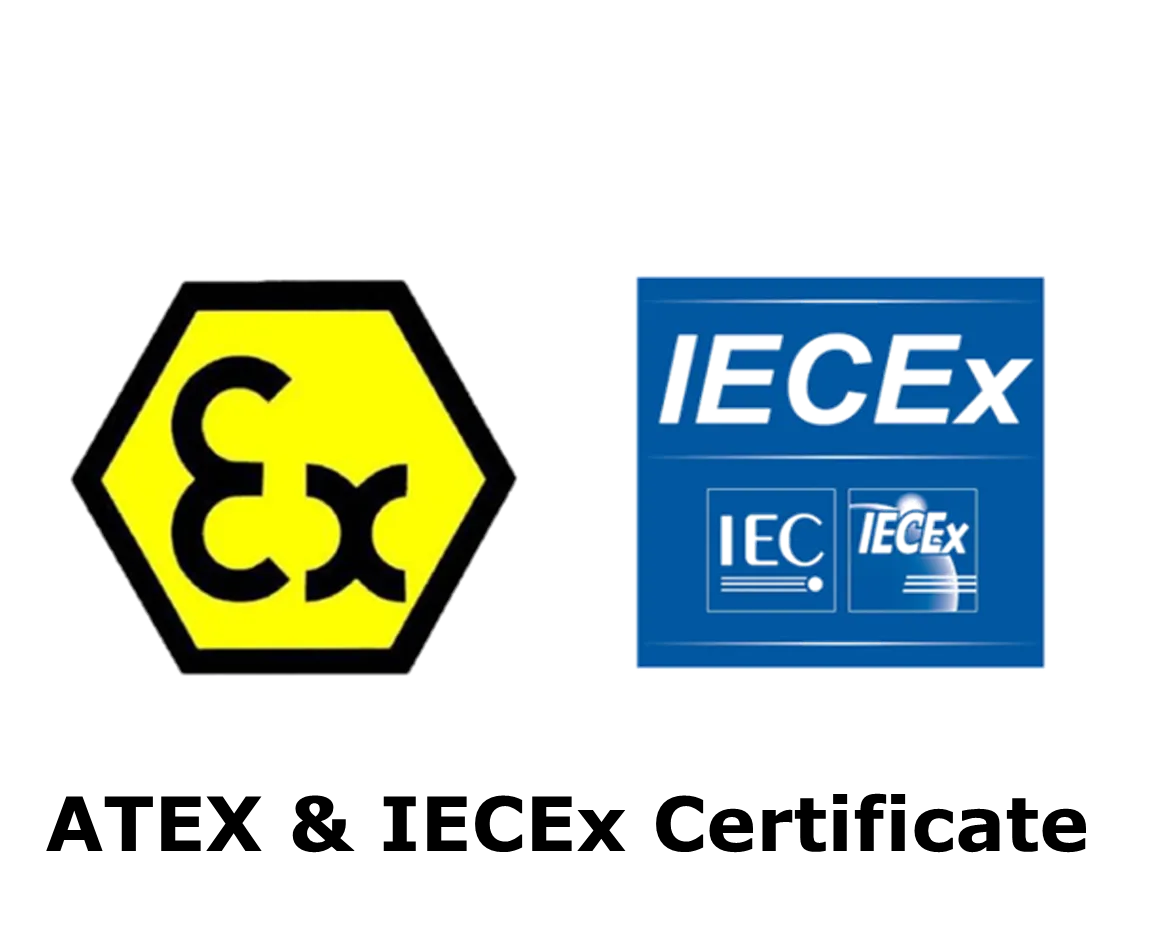
Although both ATEX and IECEx focus on explosion protection and hazardous area safety, there are several important differences between the two certification systems. |
 |
1. Mandatory vs Voluntary
- ATEX certification is mandatory for products entering the European Union market.
- IECEx certification is voluntary and mainly used for international market access.
2. Applicable Regions
- ATEX applies specifically to EU member states.
- IECEx is internationally recognized among participating IECEx countries.
3. Certification Standards and Marking
ATEX marking requirements are generally more detailed and complex than IECEx marking requirements. Products certified under ATEX must comply with the specific labeling and documentation rules defined by EU directives.
4. International Recognition
IECEx certificates are often accepted directly or indirectly by many participating countries, making global market access more efficient.
ATEX certificates, however, are primarily intended for the European market and usually cannot be directly converted into certifications recognized outside the EU.
|
Although both ATEX and IECEx focus on explosion protection and hazardous area safety, there are several important differences between the two certification systems. |
|
1. Mandatory vs Voluntary
- ATEX certification is mandatory for products entering the European Union market.
- IECEx certification is voluntary and mainly used for international market access.
2. Applicable Regions
- ATEX applies specifically to EU member states.
- IECEx is internationally recognized among participating IECEx countries.
3. Certification Standards and Marking
ATEX marking requirements are generally more detailed and complex than IECEx marking requirements. Products certified under ATEX must comply with the specific labeling and documentation rules defined by EU directives.
4. International Recognition
IECEx certificates are often accepted directly or indirectly by many participating countries, making global market access more efficient.
ATEX certificates, however, are primarily intended for the European market and usually cannot be directly converted into certifications recognized outside the EU.